


Wine Lovers Go to School on Ontario’s Craft Ciders
By David Lawrason, with notes from John Szabo, Michael Godel and Sara d’Amato
This feature was commissioned by Ontario Craft Cider Association.
I am a “fruit guy” but not a fructarian — the fruit equivalent of a vegan. I start every morning with a vitamin C-laden whole orange or mandarin. Breakfast always includes fresh anthocyanin-antioxidant rich blueberries, plus nuts and cereals. Dinner always includes wine, with its multiple health and social benefits. And apples have been a favourite fruit all my life.
All of which is to say that, as a wine lover, a transition into ciders is as easy as pie. I am increasingly drinking and enjoying cider, especially as the diversity and quality of cider grows. But as a “critic” whose role is to inform on background and quality I am experiencing some growing pains. Although principles are similar to wine, cider is a bit of a free-for-all, especially in this era of flavoured beverage branding mayhem — including waters, teas/kombuchas, ciders and spirits.
So, I was happy to engage in a recent WineAlign opportunity to go to school and taste through some two dozen of Ontario’s best ciders, previewed by a Zoom session with Lynn Sullivan, Marketing Director of the Ontario Craft Cider Association, and three prominent craft cider producers: Martha Lowry of Woodfolk Cider in Coldwater, Tom Heeman of Heeman’s Cider in London, and Sara Boyd of Loch Mór Cider in Prince Edward County.

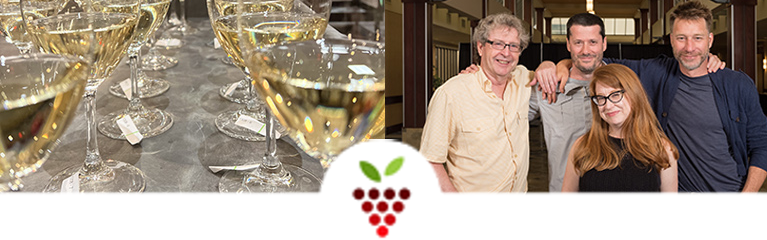
Michael, John, David and Sara at Cider School.
We WineAligners sat scrunched shoulder to shoulder to fit in front of one Zoom screen. Know-it-all-wine critics feeling like kindergarteners on the first day of cider school.
The opportunity arose as a result of recent, very generous Ontario government marketing funding for Ontario’s growing cider industry – $6 million over six years. This is great news for the producers, who are just as passionate and deserving as winemakers. And who have been struggling for official and commercial relevance for a generation.
When writing for The Globe and Mail in the late 1990s I broached ciders, but the industry had little reach beyond their local markets, thanks to archaic alcohol regulations and almost no presence within the monopolistic LCBO or Beer Stores.I was pleased to see Archibald Ciders of Bowmanville among the current line-up, having written about Fred Archibald as most-likely-to-succeed over 25 years ago.
Much has changed. The Association now represents close to 100 craft cider producers in Ontario. The core precept is that OCCA members use 100% Ontario fruit, and some bottles display the DrinkONApples logo. Just like VQA for Ontario wines, you say! Not quite, only the 100% home-grown part.
Beyond this craft cider is not yet as orderly, regulated or uniformly labeled as wine, which makes learning about and purchasing cider more difficult.
What the Labels Don’t Tell You
First, there is no official recognition of styles on the labels, although the industry has categorized several different styles like Modern, Traditional, Natural, Flavoured and Dessert. And has further broken-down which types of apples are most often used in which styles.
Second there is no mandatory labeling around apple varieties. There is no list of “authorized” apple varieties, as with VQA for wines, although a document we received does break down about 80 varieties grown in Ontario. Some artisan bottlings do name the varieties, but the majority of ciders are blends, not single varieties.


There are no regional appellations for cider, although certain fruit-growing belts like Niagara, Prince Edward County, southwestern Ontario and particularly the Beaver Valley on Georgian Bay are the most often represented.
And there is no official designation of “estate-grown” ciders, although most producers who use cider specific apples from their own orchards explain this somewhere on their labels or websites.
Most Ontario cider producers source 100% Ontario apple juice from juice processors and produce cider on-site with varying degrees of individualization in terms of style and flavourings, and certainly marketing.
I am not going to get into the details of cider-making, which follow the basic steps of wine-making through fermentation, élevage (ageing) and bottling. But it is apparent that, because cider production is dealing with apples not grapes, the alcohol levels are lower and fermentations are less stable, as are tannin. This means greater propensity of flaws like acetic acid, brettanomyces (a bacterial issue) and oxidation, with some varieties more prone than others.
As a wine critic, faults are a quality concern, and the most taxing thing about tasting and rating ciders. Are we to be more forgiving just because they are more common? I think I am more tolerant on faults in wine than many others, but I still do not like flaws that are so obvious that they impinge on the purity of fruit perception, or worse, put pain over pleasure.
So How Can Wine Lovers Explore and Relate to Ciders?
If one can’t rely on style, variety or regional information on the labels, how do interested consumers best approach this category?
Well, the first thing is be open-minded and perhaps even map out a program of experimentation. The one enabler of this approach is the fact that ciders are generally less expensive than wine, which allows you to move through the process more quickly. But be careful on this price/value question. Ciders come in cans and bottles of different sizes. You almost need to figure out your budget per 100 ml and do the math.
One of the most obvious points of distinction is that the best ciders are usually in bottles not cans, and they are usually more expensive. When you search the cider section at the LCBO, there are few bottled ciders. So, you eventually need to seek out other retail sources, which leads you into the growing and fascinating world of private bottle shops that buy direct from cideries and farmers markets. A few restaurants are starting to list high quality ciders.
The best path to quality and selection is to get to the know the producers, and our picks below give you a big leg up. Almost every cidery ships direct to consumer, some across Canada. So, join mailing lists and buying clubs once you have found producers you like. Then perhaps take time to visit the various regions and cideries next summer. Seeing the orchards, meeting the producers and tasting on the spot is by far the most fulfilling experience. The Ontario Craft Cider Trail website ontariocidertrail.ca will get you on the road.

Here are our WineAlign recommendations. They are arranged, as close as we can figure, in ascending price order.
Heeman’s Single Varietal Dabinett Hard Cider, London, Ontario
$9.95/500 ml, Heeman’s Cidery
Michael Godel – From the Dabinett apple — mid-weight, mid-alcohol (6.5%) and without question a unique style of hard cider. Notes of cheese like camembert, beautiful to those who like a hint of buttery French cream in their beverage. Complex stuff to be sure, with a fine dry finish.
Heeman’s Single Varietal Harry Masters Jersey Hard Cider, London, Ontario
$9.95/500 ml, Heeman’s Cidery
David Lawrason – This a U.K. heritage apple originating in Jersey and named for its “discoverer” Harry Master. The cider pours bright, fairly deep, lemon gold. The nose is generous, rich and ripe with some honeyed character, yellow flower and sweet apple. Lovely weight and effervesce, with some apple core pith, and sourness. Sturdy stuff.
John Szabo – Harry Masters Jersey is rendered here in a bone dry, pleasantly sour, even lightly acetic style with soft effervescence and gently tannic texture, nicely balanced. I appreciate the purity of the apple flavours, and especially the pleasant bitterness that increases the perception of freshness and encourages additional sips. Complex and sophisticated. 6.5% ABV.
Ironwood Russet 2024, Niagara-on-the-Lake, Ontario
$20.00/750 ml, Ironwood Cider House
David Lawrason – From an edgy/experimental cidery founded in 2016, this is a wood aged, dry cider based on russet apples. It has a generous, complex nose of apple orchard floor, lemon, camembert cheese. It is dry, very nicely balanced, firm and a touch sour edged, especially on the finish. Fits within a “natural” style. Intense but somehow very even flavours.
Ironwood Bramley 2022, Niagara-on-the-Lake, Ontario
$20.00/750 ml, Ironwood Cider House
Michael Godel – English style, drier and with a pronounced tannic profile. Orange sour, finely bitter and just a touch yeasty. More complexity and interest than so many — clearly worthy of a dedicated cider detour. Count me in as a card-carrying member of this Bramley.
John Szabo – Ironwood in Niagara produces just 83 cases of this varietal Bramley apple cider, bottled unfiltered (“raw”) and slightly cloudy, and the nose is wild indeed, a complex amalgam of honeyed-waxy flavours, citrus peel, fresh leather and buttered caramel with a gentle acetic lift, in balance. It’s bone dry with ripping acids, and excellent length, depth, and complexity. Consider it a more natural, idiosyncratic style, and worth a look in my view. 8.1% ABV.
Sara d’Amato – A raw, cloudy, single-varietal Bramley cider, this leans into natural, low-intervention style, clean with just a touch of acetic lift. Dry, tart and nervy, it borders on sour-beer territory on the palate. Citrus-driven, complex and a touch austere.
Loch Mór Cider Kingston Black Danforth Rd Series, Prince Edward County, Ontario,
$22.00/750 ml, Loch Mór Cidery
John Szabo – Kingston Black is a rare, premium heritage cider apple, one of the few varieties that is balanced enough to bottle on its own. This superb two-vintage blend is spontaneously fermented in barrel, and features an attractive and complex set of aromatics, bone dry, gently grippy palate, and balanced acids — nothing is out of line. Length is very good to excellent.
David Lawrason – Kingston Black is a most prized U.K. cider apple. This was estate grown. It pours fairly deep gold. The nose is lifted with lovely ripe almost caramel, honey, pumpkin spice and heady florals. It is medium weight, fresh yet delicate with lively effervescence and acidity. Some tannic pith and a hint of sour-edged acetic and Brettanomyces, which will be a negative for some and complexity for others.
Michael Godel – Middle of alcohol, really dry and the woolliest of the three from Loch Mor. Furry and earthy, clean yet seemingly funky because of its idiosyncratic profile revived from unique phenolic compounds. Good acid flux at the finish.
Sara d’Amato– A rare Ontario single-varietal Kingston Black, this cider is barrel-fermented with wild yeast, pouring a deep golden hue. After two years in oak, it emerges firm yet balanced, with tannin and acidity in perfect stride. Concentrated and confidently clean with just a bit of swagger, its purity of fruit is complemented by hints of honeysuckle flour and salted caramel.
Loch Mór Cider Harry Masters Jersey, Prince Edward County, Ontairo
$22.00/750 ml, Loch Mór Cidery
John Szabo – Loch Mor is producing some of the finest, most interesting and complex ciders in Canada, and this single variety, estate-grown Harry Masters Jersey is among their best. I love the gentle effervescence and notable tannic grip that adds an extra dimension of flavour, freshness and texture, also the genuine length and depth. Top notch. 7.3% ABV.
Windswept Sparkling Perry, Georgian Bay, Ontario
$18.00/500 ml, Windswept Orchard Cider
John Szabo – Produced from heritage variety perry pears, this pours a slightly cloudy, pale orange-gold colour (perry is notoriously hard to clarify) and delivers an attractive aromatic nose-full of sweet orchard fruit, apple, pear, orange and apricot, a complex mix. It’s fully dry as advertised, also notably and pleasantly tannic, with good dusty grip on the palate and pleasant accompanying bitterness and waxy-honeyed richness. Top notch, serious stuff. 5.9% ABV.
Georgian Hills Ida Red Frozen to The Core 2024, Blue Mountains, Ontario
$19.95/375ml, Georgian Hills Winery
Sara d’Amato – This Georgian Hills ice-style cider from Ida Red apples exhibits a wine-like finesse with pure cider character. Cryo-extracted and naturally concentrated, it’s lightly gingery, and mineral, clean with an expected hint of acetic lift. Sweetness is balanced by a the pleasant tang of tart fruit and I can envision its potential versatility for pairing with cheese— everything from Roquefort to Munster.
Windswept Late Harvest Dry Cider, Georgian Bay, Ontario
$20.00/500 ml, Windswept Orchard Cider
David Lawrason – This is made from Ida Red and Northern Spy apples from “un-sprayed lost orchards.” It pours yellow-gold. The nose is ripe and sweet with full-on apple/peach with a hint of vanilla, butter. It is light to medium bodied, quite delicate with moderate acidity, and some bitterness.
Michael Godel – Tannic cider, although there is more concentration, body and varietal intensity as compared to the Crimson Crisp.
Woodfolk Copper Moon, Coldwater, Ontario
$24.00/750 ml Woodfolk Cidery
Michael Godel – Moderate of alcohol at 6.3 percent, yeasty and sweetly peat earthy with a mild nuttiness, French vanilla, natural modernity and easy drinking ability. Wine drinkers should love this, especially those who cherish woolly Loire chenin blanc.
Sara d’Amato – With an eye-catching label, this Oro Medonte (just outside of Orillia and Coldwater) cider comes from a regenerative farm where all apples are grown and pressed on site. Golden and lightly cloudy, it’s clean, dry and naturally compelling, its edge smoothed by French oak. An unfiltered, complex blend of Michelin, Tremlett’s Bitter, Crimson Crisp, Breakwell’s Seedling, Porter’s Perfection, Browns, and Bulmer’s Norman.
Spy Estate Cider, Blue Mountain, Ontario
$24.50/750 ml Spy Cider House & Distillery
David Lawrason – One assumes this is made from spy apples, but it is a blend of four varieties. It pours slightly hazy brass. The nose shows soft, complex and intriguing aromas of honeycomb, wild flowers, hay/grass savoury and dried apple. A hint of acetic comes to the finish. It is mid-weight, with tart acidity, and sourness. Bone dry.
West Avenue Cider Legacy 1642 Flamborough, Ontario,
$25.00/750 ml, West Avenue Cider House
David Lawrason – This was fermented in used wine barrels, bottled, then aged on lees for a year (rather like traditional method sparkling wine). It pours very deep gold. The nose is generous and sweet, almost caramelized with honey and spice. Comes off dry with very lively acidity on the palate. Quite effervescent, tart-edged and a touch bitter, with a hint of bacterial brett/cheesiness, which I found to be within limits.
Sara d’Amato – Edgy yet traditional, this cider wears its quirks well. A dry, complex blend of heritage apples with Somerset variety mentioned on the label, it brings light bitterness, firm tannin and a touch of brett. It pours golden and full-flavoured and there is plenty to admire: bitter apple crisps, toffee, and a white grapefruit brulée that carries through on a long finish.