Announcing the Results from the 2026 National Wine Awards of Canada
The 2026 National Wine Awards of Canada wrapped up in Niagara Ontario on June 18th. In total, 21 judges from across Canada, including one judge from California and one from England, tasted approximately 1,800 entries from 250 Canadian wineries across the country.
After 26 years, the WineAlign National Wine Awards of Canada is the benchmark for Canadian wine competitions and is considered by our judges to be among the best-run competitions in the world. It takes a village (33 volunteers) to put on the awards each year, and it begins with a two-day, detailed, choreographed setup in the all-important back room, where some 1,800 entries are placed and labeled at their respective tables in their flights, in the order they will be served over the first three days.
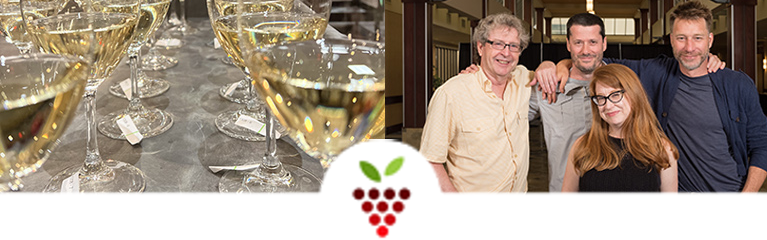
Once on the table, every wine label is checked against a flight sheet printout, and each bottle is tagged with a flight number and an order number to ensure it goes to the right panel, in the right order, at the right temperature, and at the right time. The meticulous two-day setup often takes longer than most competitions take from start to finish. The wines are served in high-quality glassware, each tagged with the flight number and its position in the flight. It’s the final check before any wine is tasted blind.
Over the next five days, 21 highly experienced judges — 10 women and 11 men — worked in panels of three or four to taste every wine. Once the first round was complete, we began again, building second-round flights with 25 to 30 percent of the top-scoring wines, which were then re-tasted over two days by panels of five judges. By the end, each judge assessed more than 400 wines, and while more than 9,000 glasses were washed and polished, only six were broken.
We hope you enjoy the following category round-ups as much as we did tasting all the medal-winning wines.
Over my many years of tasting, judging, writing about, and speaking on Canadian wine, I have frequently described sparkling wine as one of Canada’s most exciting wine categories. While it remains one of our least-known wine styles, particularly outside Canada, I continue to believe that this country produces outstanding sparkling wine from coast to coast. And why wouldn’t we?
Canada’s climate is exceptionally well suited to sparkling wine production. Whether it is the maritime influence in Nova Scotia, the shorter growing seasons of Quebec, or the continental cool-climate conditions of Ontario and British Columbia, these factors help preserve the acidity and freshness that are essential to high-quality sparkling wine. They also provide ideal growing conditions for traditional-method wines made from Chardonnay, Pinot Noir, and other classic sparkling wine varieties.
Canada has experienced an explosion of fizz from coast to coast. This story can be traced back to pioneering producers such as Steller’s Jay and Blue Mountain in British Columbia, and Château des Charmes and Trius in Ontario. Today, that momentum continues with Nova Scotia leaders Benjamin Bridge and L’Acadie Vineyards, alongside Quebec stalwart Vignoble de l’Orpailleur and trailblazing sparkling wine house Domaine Bergeville. Many medal-winning méthode traditionnelle Canadian sparkling wines are attractively priced between $30 and $50 per bottle and deliver a level of quality and excitement that can rival many Grand Marques Champagnes any day.
Sparkling wine remains one of the most dynamic and competitive categories at the National Wine Awards of Canada. This year, the category attracted 138 entries, representing 8.2% of all wines entered in the competition, while accounting for 8.4% of all medals awarded. The judges awarded two Platinum medals, both to non-vintage rosé sparkling wines, highlighting the growing strength of Canada’s premium rosé sparkling wine segment. In addition, 14 Gold, 47 Silver, and 41 Bronze medals were awarded, underscoring the consistently high quality of the category.
Perhaps most encouraging is the breadth of styles being recognized. Alongside traditional Blanc de Blancs and Brut wines, both vintage and non-vintage, the judges rewarded innovative expressions ranging from sparkling rosé to Blanc de Franc and Riesling-based sparkling wines. The strong medal count reflects a category that is not only growing but also evolving in sophistication. Canadian winemakers are increasingly embracing site-specific expressions and using traditional method that are producing wines that firmly establish sparkling wine as one of Canada’s greatest wine success stories.
Cheers, and let’s raise a glass to the future of Canadian sparkling wine.